
Top 5 Cyber Security Courses in India in 2026

The Beginning: Too Many Choices and Too Much Confusion You will find hundreds of cyber security courses in India right away if you look for them. There are so many options, from global certifications like CEH and OSCP to local schools that offer ethical hacking programs. But there are so many choices that it’s impossible not to get confused. What cyber security courses in India will really help you learn useful skills? Which course will prepare you for a job instead of just giving you a certificate? And in 2026, when cyber threats are getting worse every day, which path of learning really gets you ready for the real world? In reality, not all of India’s cyber security courses are the same. Some people are more interested in theory, some in certifications, and very few in actually doing things. Also Read:- Cyber Security Course: Learn Ethical Hacking & Real-World Skills in 2026 What Will Make Cyber Security Courses in India Valuable in 2026? It’s important to know what makes a good course today before you compare the best ones. In 2026, the value of cyber security courses in India will depend on how well they help you deal with problems in the real world. A good course should have: Even the most popular cyber security courses in India might not give students the results they want without these things. CEH – A Popular Choice Among Cyber Security Courses in India The Certified Ethical Hacker (CEH) is one of the most popular cyber security certifications in India. It teaches students the basics of ethical hacking and cybersecurity. CEH covers things like: Many students find that CEH focuses more on understanding theory than putting it into practice, even though it is well-known. It is a good place to start among cyber security courses in India, but it is not enough on its own. OSCP – Advanced Level Among Cyber Security Courses in India OSCP is thought to be one of the hardest cyber security courses in India. It is very useful and needs a lot of technical know-how. It has: OSCP, on the other hand, is not easy for beginners. A lot of students have trouble with these advanced cyber security courses in India because they don’t have the basic knowledge they need first. The Lack of Cyber Security Courses in India A big gap becomes clear at this point. The Drop Organization has made a difference in this area by focusing on real-world exposure, structured growth, and learning by doing. The Drop Organization: A New Way to Teach Cyber Security in India The Drop Organization has changed the way cyber security courses are taught in India. It doesn’t just focus on certification; it also focuses on building skills and getting things done. Students learn how to: This makes Drop one of the most useful platforms for modern cyber security courses in India. DCSC: A Practical Cyber Security Course That Builds Experts DCSC (Drop Certified Security Course) was the first step on Drop‘s journey. It is one of the most useful and advanced cyber security courses in India. DCSC is different from regular courses because it focuses on how well you do in the real world. DCSC’s main features are: DCSC is different from other cyber security courses in India because it gets students ready for real jobs. The Hack Track (THT) – Beginner-Friendly Entry Point One big problem with cyber security classes in India is that beginners often feel lost. Drop came up with The Hack Track (THT) to fix this. This program gives learners who are taking cyber security courses in India for the first time a structured place to start. It is all about: Because of this, it is one of the best beginner-level cyber security courses in India. DCMC: Going beyond Cybersecurity Digital marketing and cybersecurity are linked in today’s digital world. This is why Drop started the DCMC (Drop Certified Marketing Course), a great digital marketing course that goes along with cyber security courses in India. This class helps students: Students who take both a digital marketing course and a cyber security course in India become more well-rounded professionals. Cybercon: Decoding the Attack—Learning Outside of Classroom The book by Drop is one of the most unique things it has to offer. “Cybercon: Decoding the Attack” This book is very helpful for students in India who are taking cyber security courses. Its main focus is on: This book helps students in India who are taking cyber security courses connect what they learn in class with what they do in real life. It helps students learn more about cybersecurity and makes their analytical thinking stronger. What Drop Does for You? What makes Drop different from other cyber security courses in India is that it offers a complete ecosystem. Students can get to: Drop doesn’t just teach; it also makes sure that students become professionals who can do well in the field of cybersecurity. The Future of Cyber Security Courses in India The demand for skilled professionals is growing rapidly. As businesses move online, the importance of cyber security courses in India will continue to increase. The future belongs to those who focus on practical learning and continuous improvement. At the end of the day, choosing among cyber security courses in India is not about popularity—it’s about value. Certifications are important, but without practical skills, they are incomplete. Programs like DCSC and THT fill this gap by focusing on real-world learning. So if you are starting your journey: Because in 2026, success in cybersecurity will not depend on what you know— it will depend on what you can actually do. For More Updates, Follow Us On: Want to start your learning journey on Cyber Security and Ethical Hacking field?
Cyber Security Course: Learn Ethical Hacking & Real-World Skills in 2026

Join a cyber security course to learn ethical hacking, practical skills, and real-world techniques to build a successful career in cybersecurity. The digital world is getting bigger… The Threats Are Too Cybersecurity used to be something that only IT professionals and big businesses talked about. Now, it affects everyone, from students with smartphones to small businesses. his is why enrolling in a cyber security course or an ethical hacking course is becoming essential today. As India quickly moves toward an economy based on digital technology, cyber threats are also rising at an alarming rate. Data breaches, phishing attacks, and ransomware are no longer uncommon. They are becoming problems that happen every day. They are becoming problems that happen every day, and this is exactly why a cyber security course is no longer optional. And with this rise, one question becomes more important than ever: Who will keep this digital world safe? The answer is in the new generation of people who are trained, skilled, and ready to deal with cyber threats through the right ethical hacking course and structured cyber security course learning paths.. This is where The Drop Organization comes in. They offer structured cyber security course programs and practical ethical hacking course training that help people learn skills that will be useful in the real world. What is wrong with traditional learning? Also Read:- Roshan Burnwal Success Story: From Ukhra to ₹2.5Cr Cybersecurity Empire The Problem with Traditional Learning But you can’t just memorize cybersecurity—even if you take a cyber security course, you need practical exposure. You have to go through it. They know things, but they don’t believe in themselves. Why? Most traditional learning systems focus on: But you can’t just memorize cybersecurity course. You have to go through it. You can’t become an ethical hacker just by reading about attacks. Even with an ethical hacking course, you need to know how they work, practice them, and learn how to stop them. You need to know how they work, practice them, and learn how to stop them. The Drop Organization saw this gap between knowing and doing right away, and designed their cyber security course and ethical hacking course programs to fix it. Drop’s Methodology: Learning by Doing Instead of following outdated teaching methods, Drop introduced a system based on practical learning through their cyber security course and ethical hacking course programs.. Students here don’t just sit back and learn; they are involved. They: This method changes the whole way students learn a cyber security course environment. Students no longer ask, “What is cybersecurity?” Instead, they ask: “How do I fix this real problem?” And that’s how a real cybersecurity expert thinks after completing a proper ethical hacking course. Understanding What It Takes to Be a Hacker Before we go any further, let’s go over something important. We don’t mean criminals when we say “hacker.” We are talking about ethical hackers, who are professionals trained through an ethical hacking course and cyber security course, who use their skills to keep systems safe. To become one, you need: Drop’s structured ethical hacking course programs and cyber security course modules are designed to help people develop all of these skills in a way that is both beginner-friendly and useful in the real world. Practical Experience That Boosts Confidence One of Drop‘s best features is that it focuses on real-world experience through its cyber security course and ethical hacking course structure. Students do more than just go to class; they also do: This hands-on experience in a cyber security course helps students not only understand ideas, but also gain the confidence to use them in real life. And trust is everything when it comes to cybersecurity and any serious ethical hacking course. Mentorship That Really Matters It can be hard to learn about cybersecurity on your own, even if you enroll in a cyber security course. There are too many ideas, tools, and ways to go. This is where having a mentor is very important. Drop gives: This makes sure that students don’t feel lost while doing their ethical hacking course or cyber security course. Instead, they move forward with a clear goal. The Turning Point: Structured Learning At some point along the way, you learn something important: Learning by chance doesn’t work even in a cyber security course. You need a clear path. A plan that shows you how to go from beginner to advanced level one step at a time. This is where Drop’s structured ethical hacking course system really makes a difference. How Drop’s Learning System Has Changed Over Time? The Drop Organization is a great example of how every successful system changes over time. The DCSC (Drop Certified Security Course) was the first step on the journey. This cyber security course was the basis for Drop’s cybersecurity training, which taught students advanced ideas, useful tools, and real-world hacking skills through a structured ethical hacking course model. It set the stage for training skilled cybersecurity professionals and showed that hands-on learning could really make a difference. But as more students joined, it became clear that many beginners were having trouble jumping right into advanced cyber security course learning. That’s when Drop took a step back so it could move forward. The Hack Track (THT) Made Easy for Beginners Drop came up with The Hack Track (THT) to fill this gap. This beginner-friendly ethical hacking course and cyber security course program helped students start from scratch without confusion. The goal of this program was to give beginners a structured place to start so that they could build their skills before moving on to more advanced cybersecurity. Instead of giving students too much to do, THT focused on: This changed the game because students now had a clear plan in their cyber security course journey instead of being confused. DCMC: Going Beyond Cybersecurity As Drop got bigger, another chance came up. As more and more businesses went digital, they needed not only cybersecurity experts but also people who
Roshan Burnwal Success Story: From Ukhra to ₹2.5Cr Cybersecurity Empire

From a Dream in a Small Town to a National Vision Discover Roshan Burnwal’s journey from Ukhra to building The Drop Organization, a leading cybersecurity training company in India empowering thousands of students. There is a beginning to every success story, but not all beginnings foretell the future. The journey of Roshan Burnwal began in the small town of Ukhra, West Bengal, where life was straightforward, resources were scarce,& dreams frequently had to battle their way through reality. Roshan was born on March 22, 2002, into a lower-middle-class family and witnessed hardship firsthand as a child. The family lived in a small rented home while his father worked tirelessly as a businessman and managed the household with a meager monthly income of about ₹8,000–₹10,000. However, a spark was subtly developing somewhere between obligations and constraints—one that would eventually create an empire. The Curiosity That Changed Everything Although unplanned, Roshan Burnwal’s introduction to cybersecurity changed his life. During his school days at Ukhra Adarsha Hindi High School, he witnessed someone using unidentified technical methods to access the internet without paying. A moment of intense curiosity was sparked by what appeared to be a minor incident. Roshan chose to ask questions rather than ignore it, and those inquiries led to the discovery of the fields of cybersecurity and ethical hacking. Soon, that interest turned into an obsession. While others took conventional routes, Roshan started investigating digital systems, security procedures, and hacking methods independently. This was the start of a purpose, not merely education. Also Read:- How to Learn Digital Marketing Near Me in 2026? Choosing the Unusual Path: Education vs. Passion Although Roshan Burnwal received his B.A. Honors in History from Binod Bihari Mahto Koylanchal University in 2023, his true education took place outside of the classroom. He was simultaneously honing his cybersecurity skills, experimenting with tools, and learning how digital systems operated while he pursued his degree. In contrast to many, he made the decision to consistently pursue his passion rather than limit himself to a degree. The Birth of DROP – A Mission Before a Business The Drop Organization (TDO) began as a mission rather than as a business. By giving away free books and notebooks to more than 200 students at Neelkanth Mandir in Ukhra, Roshan Burnwal started his first social project in 2019. His idea was straightforward but effective: to make a difference by contributing. As a result, DROP (Development and Research Organization Planning), a community-driven project with a social development focus, was established. But without funding, maintaining such initiatives quickly became difficult. Roshan went through a crucial stage where there was a vision but no resources, even with his own money and the help of friends. Failures That Built the Foundation Roshan Burnwal’s path was not straight, just like any real journey. He shifted towards digital services such as website designing and development to generate income and support his initiatives. But even that phase did not sustain long-term growth. Many would have stopped by now. However, Roshan made a choice that altered everything: he went back to his primary area of expertise, cybersecurity. He started working with security tools and software, helping people protect their digital assets. His passion was in line with this action, and gradually everything started to come together. The Rise of The DROP Organization What began as a modest project eventually grew into a formal organization dedicated to cybersecurity education. The Drop Organization started providing: Its approach—practical training, live hacking tutorials, software support, and ongoing mentorship—was what made it unique. Students were not just taught—they were trained to perform. Growth That Changed the Game After almost 3 to 3.5 years of setting up the Ukhra office, stability finally came, and the company started making about ₹1-2 crores a year. While this would have been a moment to settle for many, Roshan saw it as a sign to dream bigger, a space that could symbolize Drop’s future. The Expansion of Durgapur: A Dream Come True Roshan Burnwal focused on the Webel IT Park in Durgapur, a desirable site that represented development and opportunity. He began by assembling a small team of six to seven people in a 450 square foot office. However, growth was rapid. He made the audacious decision to move into a 1200 square foot office floor in the same building as the team grew to 20 members. This new office was a statement rather than just a place to work. It contained: This grew to be one of The Drop Organization’s largest and most organized offices. Roshan personally oversaw every aspect of this journey, juggling growth with continuing business operations. The office was constructed with a new look, a more ambitious long-term goal, and a stronger vision. A Strategic Step Into Digital Marketing Roshan Burnwal was able to take advantage of new opportunities because he was in a prime business location. He came to see that without digital marketing, digital growth was not complete. As a result, he looked into other options, such as joining BNI (Business Network International) as an official member. This choice turned out to be strategic. Roshan Burnwal started getting numerous contracts for digital marketing through networking and partnerships, opening up a new vertical for the company. He made another audacious move after realizing the demand. DCMC’s Launch: A Revolutionary Choice Roshan Burnwal with his team member Gourab Ghosh introduced the DCMC (Drop Certified Marketing Course) in April 2026. This was a deliberate expansion into a high-growth field, not merely a course. DCMC concentrated on: Roshan Burnwal thought that this action would influence DROP’s future, and that its true effects would become apparent over the course of the following two to three years. Impact, Scale, and Important Numbers The Drop Organization is now a potent illustration of purposeful growth. These figures are more than just statistics; they show how lives are affected and careers are developed. Authoring Knowledge: A New Milestone Roshan Burnwal and his team released a book in February 2026 called: “Cybercon: Decoding the
How to Learn Digital Marketing Near Me in 2026?

You launch your browser, enter “digital marketing near me,” and hit the search button. Numerous institutes, courses, and advertisements show up in front of you in a matter of seconds. It’s both thrilling and perplexing. Which one ought to be selected? In fact, where do you start? This guide will take you step-by-step through your journey, much like a mentor guiding you into the world of digital marketing, if you’re at this exact moment, unsure but curious. What does Digital Marketing Mean? Digital marketing marks its foundation as the art of promoting goods and services via digital channels like Google, social media, websites, and email. Nowadays, digital marketing is essential to the expansion of nearly every company, from small startups to multinational corporations. This is precisely the reason why so many novices look up “where to learn digital marketing near me”— because they want a skill that is practical, in demand, and doesn’t require a traditional degree. It’s one of the few professions where your abilities are more important than your educational background. Also Read:- CyberSecurity Course vs Traditional IT Courses – The Ultimate Guide in 2026 (Smart Decision) Why Do People Search “Digital Marketing Near Me”? When people look up “digital marketing near me,” they typically want more than just information. They want direction, order, and hands-on experience. Local institutes frequently end up being the first choice, because they offer classroom training, in-person interactions, and prompt doubt-solving. Beginners who are just entering the field and require a disciplined learning environment will find this especially beneficial. However, not all schools offer high-quality training, hence it’s crucial to carefully consider your options before enrolling. How Can You Learn Digital Marketing Near Me? If you’re looking for places to learn digital marketing nearby, start by shortlisting a few institutes. Look closely at their curriculum, to see if it covers paid advertisements, social media marketing, SEO, and analytics. Verify if they provide real-world projects, hands-on training, and placement support. These factors matter more than fancy promises. A reputable institution will prioritize skill development over certificate distribution. You can get a clear idea of how they teach and whether it fits your learning style by going to a demo class. At the same time, online learning becomes a potent substitute if you are unable to find an appropriate local option. Flexible learning options are provided by platforms like The Drop Organization. While they may not appear when you search for “digital marketing near me,” but they still offer high-quality content. Here, discipline is the only challenge. Without a structured environment, it’s easy to lose consistency. For this reason, a lot of students combine self-study with online courses to build real skills. Where Can I Learn Digital Marketing Near Me? The most important question now is: Where can I learn digital marketing in a way that will help me develop my skills? The solution is to select a program that emphasizes: The Drop Organization’s DCMC (Drop Certified Marketing Course) is unique in this regard. Introducing DCMC: A Practical Approach to Digital Marketing There are plenty of options available when searching for digital marketing near me, but very few of them prioritize practical over theory. To close this gap, the DCMC (Drop Certified Marketing Course) is created. It is more than just a course; it is a comprehensive educational program that teaches students how to comprehend, implement, and use digital marketing techniques in practical situations. DCMC guarantees that your education is organized, directed, and useful regardless of whether you select online or offline classes. What You’ll Actually Get to Learn? A good course is determined by its curriculum, and DCMC provides a thorough and useful framework. It concentrates on gradually developing skills rather than bombarding students with knowledge. It will teach you how to: Every module is made to make sure you not only grasp the idea but also know how to apply it in practical situations. Typical Mistakes You Should Avoid Avoiding common pitfalls is essential when searching for a local place to learn digital marketing: The Potential of Digital Marketing Digital marketing has a very bright future ahead of it. AI, automation, and data-driven tactics are making the field more sophisticated and exciting. As businesses continue to move online, there will be countless opportunities for talented marketers. Digital marketing gives you the freedom to work for a company, freelance, or even launch your own enterprise. Your journey ultimately starts with a straightforward search: “digital marketing near me.” However, what you do after that search is what really determines your success. Your career will be shaped by the institute you select, the work you do, and the consistency you uphold. Digital marketing can open doors you never thought possible if you remain dedicated, practice frequently, and concentrate on actual learning. You now have the next step. Re-search, but this time with focus and clarity. Examine your options, make an informed decision, and start a career where growth, creativity, and skills go hand in hand. Final Thoughts: Your Journey Begins Now One search for “digital marketing near me” may be the start of something far more significant than you anticipate. But when you make the decision to act after that search, the real journey starts. Your career path can be drastically changed by selecting the appropriate course, maintaining consistency, and emphasizing practical learning. Beginners can develop into self-assured professionals with the help of TDO’s DCMC (Drop Certified Marketing Course). You can now make the choice. Look again, but with clarity this time. Because when you take the correct route, you use digital marketing to create a future rather than just learn it. Stay Updated With Us: Want to start your learning journey on Cyber Security and Ethical Hacking field?
CyberSecurity Course vs Traditional IT Courses – The Ultimate Guide in 2026 (Smart Decision)

Looking for a cybersecurity course? Master real-world security skills, tools, and techniques with hands-on training and expert guidance. The digital environment is changing under our feet. Ten years ago, the key to a secure job was a broad degree in information technology (IT). Specialized cyber security training has become a new titan in the education sector as the world grows more connected and data-driven. The argument between taking a cybersecurity course and a traditional IT course has become a major concern for prospective tech professionals as cyber threats become more sophisticated. We will examine the subtle differences between these two routes, assess their long-term prospects, and assist you in selecting the one that best fits your professional objectives in this extensive guide. Knowing the difference is the first step to a successful career, regardless of your interest in the complexities of ethical hacking or the fundamentals of database administration. How do a Traditional IT Course and a Specialized Cyber Security Course Differ Fundamentally? We must first examine the “breadth vs. depth” argument in order to comprehend the distinction. The goal of a traditional IT course is to provide a thorough understanding of the digital world. It covers everything from database management and fundamental networking to computer architecture and software engineering. It is the tech industry’s “GP” (General Practitioner). For business efficiency, you learn how systems are constructed, how they work together, and how to keep them up to date. On the other hand, a cybersecurity course delves deeply into the art of strategic offense and defense. A cybersecurity student learns how a malicious actor can dismantle a network and, more importantly, how to prevent that from happening, whereas a traditional IT student learns how to build a network. The emphasis moves from “functionality” to “resiliency.” Risk management, cryptography, incident response, and forensics are the main topics of study in a specialized cybersecurity course. Although traditional IT programs offer a strong foundation, they frequently lack the flexibility to keep up with the quickly changing threat landscape. For those who wish to work on the front lines of digital protection, a dedicated cybersecurity course is a more focused option because it is regularly updated to reflect the most recent vulnerabilities and defense mechanisms. Why are Courses in Cybersecurity Turning into a Specialized Requirement? “IT security” was only one of a system administrator’s many responsibilities in the early days of computing. That is no longer feasible today. A committed expert who only monitors, defends, and tests systems is necessary due to the complexity of contemporary cyberthreats, which range from state-sponsored ransomware to AI-driven phishing. Because of this change, specialized cybersecurity courses are no longer considered “niche” but rather “necessities”. These specialized programs, in contrast to traditional IT, are predicated on the idea that systems are already vulnerable. A cybersecurity specialist asks, “How can someone break this, and how can I stop them?” as opposed to a traditional IT specialist’s question, “How do I make this system work?” This defensive, proactive stance represents a fundamental philosophical change. In addition, the regulatory landscape has evolved. With the implementation of the CCPA, GDPR, and other data protection laws, businesses are subject to severe financial and legal repercussions for security lapses. Professionals who have finished a demanding cybersecurity course and comprehend the subtleties of risk management and threat mitigation now have a gap in the workforce. The following are important factors contributing to the growth of specialized security training: What are the Differences between Computer Science and an Ethical Hacking Course Curriculum? There are significant differences between an ethical hacking course and a typical computer science curriculum. Ethical hacking is practical and destructive, while computer science is theoretical and constructive. You can learn how to write clear code and optimize algorithms in a computer science program. You learn how to identify the single line of code that can be used to obtain unauthorized access in an ethical hacking course. The practice of using the same tools and methods as malevolent hackers, but with authorization and with the intention of enhancing security, is known as ethical hacking. As a result, this “Red Team” approach is reflected in the curriculum. The “Cyber Kill Chain”—the steps an attacker takes from reconnaissance to data exfiltration—is taught to you. Typically, an ethical hacking curriculum consists of the following: While computer science provides you with the “bricks and mortar,” an ethical hacking course provides you with the “x-ray vision” to identify the weaknesses. Which Route Offers Greater Salary Growth and Career Longevity? One cannot overlook the financial and career trajectory implications when deciding between specialized cybersecurity courses and a general IT path. There is currently a shortage of almost 3.5 million cybersecurity professionals worldwide, according to several industry reports. Higher salaries are inevitably the result of low supply and high demand in economics. Security specialists, particularly those with advanced certifications, have a much higher salary ceiling than general IT administrators, who may reach it relatively early. Another factor is longevity. More and more general IT jobs are being outsourced or automated. Many of the duties of a traditional junior sysadmin can now be completed by cloud automation tools. However, it is far more difficult to automate the human intuition needed for threat hunting and ethical hacking. A career centered around cybersecurity education provides a type of “future-proofing.” There will always be someone attempting to steal digital data, necessitating the need for someone to safeguard it. Think about the following career options: When compared to entry-level general IT positions, the “security path” frequently commands a starting salary premium of 20% to 30%. The Return on Investment (ROI) for individuals who invest in high-end cybersecurity courses is frequently realized within the first year of employment. Why Choose The Drop Organization (TDO) for your Security Journey? Just as crucial as what you learn is where you choose to learn. For individuals wishing to transition into the field of digital defense, The Drop Organization (TDO) has become a top choice. We understand that the transition from
India’s Fastest Growing Cyber Security Training Company: The Drop Organization (TDO)

Looking for a Cyber Security Training Company? Learn how practical training and real-world experience can help you build a successful cybersecurity career. Every successful endeavor begins with an issue and a plan to address it. Cyber threats are changing more quickly than ever in the modern digital world. Despite their curiosity, enthusiasm, and eagerness to learn cybersecurity, students frequently find themselves caught between out-of-date courses, a lack of real-world experience, and an unclear career path. This is precisely where The Drop Organization (TDO), cyber security training company, came into play—not just as another training facility, but as a platform with a mission to turn novices into proficient cybersecurity experts. TDO’s rise is not coincidental. It is the outcome of a potent mix of career-focused training, mentorship, and hands-on learning that is revolutionizing cybersecurity education in India. An Idea Beyond Conventional Education The Drop Organization, cyber security training company, promotes learning by doing, in contrast to many institutions that only concentrate on theory. The objective is to provide students with real-world cybersecurity experiences in addition to concept explanations. Students are trained through: One of the main causes of TDO’s explosive growth is that this method guarantees that students experience cybersecurity rather than just comprehend it. A Complete Learning Ecosystem The Drop Organization, cyber security training company, makes learning accessible and flexible by offering both online and offline courses in digital marketing, ethical hacking, and cybersecurity. Regardless of a student’s preference for online or in-person instruction, TDO guarantees a planned and supervised experience. It stands out because of its intense emphasis on: After completing the program, students receive certificates and internship opportunities that help them establish a solid foundation for their careers and gain exposure to the industry. Because of this, TDO is particularly helpful for newcomers who have little to no experience in the field. Cybersecurity Courses with an Industry Focus The Drop Organization’s career-focused programs, which are intended to advance students from beginner to advanced levels, are the foundation of its success. The Hack Track (For Beginners – Cybersecurity) The Hack Track is designed for beginners who are entering cybersecurity for the first time. It provides a clear roadmap that helps students build a strong foundation step by step. Key benefits: This program ensures that students start their journey with clarity and confidence. DCSC (Drop Certified Security Course – Advanced Cybersecurity) The DCSC program is built for learners who want to reach an advanced level in cybersecurity and ethical hacking. It includes: This course prepares students to become highly skilled cybersecurity professionals, ready for real-world challenges. DCMC (Digital Marketing Certified Marketing Course) The DCMC program, which focuses on digital marketing, provides students who wish to pursue careers in the field with a comprehensive career path. Students learn: This course helps students develop creative and data-driven marketing skills, opening doors in one of the fastest-growing industries. Practical Exposure That Builds Confidence TDO’s practical-first learning approach is one of the main factors contributing to its explosive growth. The Drop Organization, cyber security training company, makes sure that students are actively involved in real-world experiences that reflect industry scenarios rather than restricting them to theoretical knowledge. Students practice, experiment, and execute in addition to learning, which has a big impact on their confidence and comprehension. During the training, they participate in: This immersive learning environment guarantees that students are gaining practical skills, problem-solving abilities, and the self-assurance needed to function in real-world scenarios rather than merely memorizing concepts. Mentoring and Ongoing Assistance Digital marketing and cybersecurity can initially seem overwhelming. TDO, cyber security training company, ensures that no student feels stuck by providing ongoing mentoring and sessions for clearing doubts. Throughout their journey, students are guided by knowledgeable instructors who help them maintain consistency and focus. Opportunities and Training with a Career Focus The Drop Organization, cyber security training company helps students get ready for real careers in addition to teaching. Students are assisted with: Students can more easily and confidently transition into professional roles as a result. Reasons for Rapid Growth of TDO The Drop Organization’s explosive expansion can be ascribed to: TDO, cyber security training company, is extremely effective and relevant in the current competitive environment because of this combination. The Drop Organization and Its Future The need for qualified experts in cybersecurity and digital marketing will only increase as cyberthreats increase and digital companies grow. With real skills, real-world experience, and career-focused education, the Drop Organization is actively preparing students to meet this demand. The Drop Organization, cyber security training company, is redefining education in addition to expanding. TDO helps students confidently transition from novices to professionals by combining hands-on training, organized programs, career support, and mentorship. Learners have the skills necessary to thrive in the real world, whether they are studying digital marketing or cybersecurity. For precisely this reason, The Drop Organization, cyber security training company, is emerging as the fastest-growing cybersecurity training provider in India. Want to start your learning journey on Cyber Security and Ethical Hacking field?
Will Ethical Hacking be Replaced by AI in 2026?

Ethical Hacking is the practice of identifying and fixing security vulnerabilities to protect systems from cyber threats. Artificial Intelligence (AI) has swept through every industry, from healthcare to finance, and it has made a stormy arrival in the cybersecurity space. An unanswered question probably consumes your mind as you pursue your career or try to strengthen the defenses of your company: Will artificial intelligence eventually make ethical hacking professionals obsolete? The argument that robots will replace humans is not new, but the stakes are much higher in the delicate field of digital security. You may have seen examples of AI tools scanning networks or finding vulnerabilities in a matter of seconds, whereas a human ethical hacking team would need days or weeks to accomplish these tasks. Although this efficiency is impressive, it naturally raises concerns about the future of security operations that are led by humans. However, the reality is much more complex than a straightforward “human vs. machine” dichotomy. We need to see past the hype and examine the core principles of AI and ethical hacking in order to comprehend the direction the industry is taking. We will delve deeply into the potential of artificial intelligence, the indispensable worth of human intuition, and how to best position yourself to prosper in this changing environment. Understanding this dynamic is essential for your continued relevance, regardless of your level of experience or if you are a beginner thinking about taking an ethical hacking course. Also Read:- Ethical Hacking Roadmap with Resources in 2026 The Present Situation of AI in Cybersecurity We must first establish a foundation in the present in order to comprehend the future. AI is already a strong ally in the cybersecurity toolbox today. Without even realizing it, you probably deal with AI-driven security measures on a daily basis. Modern Intrusion Detection Systems (IDS) rely heavily on machine learning algorithms, which analyze network traffic patterns and identify anomalies that deviate from the norm. These systems excel at processing large datasets at speeds that are impossible for humans to match. AI has completely changed the reconnaissance and scanning stages of ethical hacking. AI-powered automated tools can quickly identify open ports, map out a network’s attack surface, and find known vulnerabilities. Security teams can concentrate on the most important problems first thanks to AI-driven vulnerability scanners that can rank threats according to real-time threat intelligence. The “grunt work” of cybersecurity is done by this automation, which sorts through noise to identify possible entry points. The fact that these tools are primarily reactive must be acknowledged, though. They rely on established parameters, historical data, and recognized signatures. Although their pattern recognition skills are improving, they still only use the data that was used to train them. This is the point at which ethical hacking’s human component emerges and its limitations become apparent. The Essential Human Factor: Creativity and Intuition Finding vulnerabilities is only one aspect of ethical hacking; the other is knowing how to take advantage of them in challenging, real-world situations. AI is currently lacking in the creativity and intuition needed for this. A machine can’t be programmed to think creatively because, by definition, it only knows what it knows. When faced with a system that appears to be secure, a human ethical hacking expert may ask, “What if I try this unconventional method?” This question is motivated by curiosity and lateral thinking. Take the idea of “logic bombs” or gradual, multi-stage attacks into consideration. A subtle, dormant piece of malware may go unnoticed by an AI because it doesn’t immediately cause an alarm. Nonetheless, a human ethical hacking specialist can make assumptions based on the industry, the system’s context, and the possible motivations of the threat actor. This ability to predict comes from empathy, experience, and a knowledge of human behavior—qualities that algorithms find difficult to imitate. Additionally, negotiating the “grey areas” of security is a component of ethical hacking. It is about comprehending a system’s business logic, not just about technical tricks. Although a technical vulnerability may be detected by an AI, a human can assess whether the vulnerability truly presents a business risk. For example, a bank may find an exposed database to be a serious problem, but a public data repository may not care. Only humans possess the business savvy and critical thinking needed for this risk assessment. The AI’s Restrictions in Ethical Hacking Although AI is a powerful tool, its major drawbacks mean that ethical hacking cannot be completely replaced by it. The “black box” problem is one of the most urgent problems. Deep learning models frequently make choices without providing a rationale. Transparency is critical in cybersecurity. An expert in ethical hacking must be able to communicate to stakeholders the vulnerability, its consequences, and the steps being taken to fix it. Most businesses don’t want to take the chance of depending on an opaque AI algorithm for this. Adaptability is yet another significant drawback. To train AI models, enormous volumes of data are needed. When an entirely new kind of attack vector appears, one that has never been observed before, AI systems might not be able to identify it until they have been retrained using fresh data. In contrast, human ethical hacking experts are able to adjust in real time. Furthermore, hostile attacks can target AI. Malicious actors can manipulate AI security tools in the same way that humans can fool AI image classifiers. They can create attacks especially made to avoid AI detection, or they can introduce “poisoned” data into the training set. An equally adaptive human defender who is aware of the subtleties of ethical hacking is necessary to defend against these complex, adaptive threats. The Emergence of the AI-Powered Ethical Hacker AI will enhance the ethical hacking process in the future, not replace it. Those who embrace AI as a force multiplier will be the most prosperous cybersecurity professionals in the future. Consider a situation where an ethical hacking specialist automates 80% of the scanning and reconnaissance tasks using artificial intelligence.
Ethical Hacking Roadmap with Resources in 2026
You are about to enter the exciting and constantly changing field of ethical hacking. Having a clear ethical hacking roadmap is essential to succeeding in this in-demand field, as cyberthreats are increasing daily. Imagine yourself in 2026: you’ve developed solid foundational skills, have several certifications, are frequently asked to participate in bug bounty programs, and are using vulnerabilities to advance your career. The goal of the ethical hacking roadmap 2026 is to provide a step-by-step guide that will help you go from having no knowledge to being a cybersecurity hero. Have you ever wondered, “Where do I even start?” You’ve come to the right place if you’re wondering, “How can I stand out from thousands of aspiring hackers?” I’m here to guide you through every step of your ethical hacking roadmap because I’ve been in your position. Even better, you’ll learn how The Drop Organization (TDO) helps you at every stage of the process, from advanced classroom instruction to free YouTube tutorials. Let’s get started and create a success plan for you. Also Read:- Ethical Hacking Meaning: Understanding the 3 Types of Hackers Knowing the Basics: Beginning Your Ethical Hacking Adventure Every roadmap for ethical hacking starts with a solid foundation. You must grasp the fundamentals before you ever write a line of exploit code or start a port scan. Fundamentals of networking, operating system fluency, and programming principles are your first goals. What is so important about this? Because your ethical hacking roadmap becomes shaky if you don’t start with this. TDO’s beginner course, The Hack Track (THT), focuses on these fundamental principles. There will be mentors to help you with your questions, practical exercises, and guided labs. Consider the THT course as a starting point for your ethical hacking roadmap 2026. It guarantees that you won’t get lost when more complex subjects are covered later. Essential Skills and Resources The next stage of your ethical hacking roadmap, after you’ve laid the groundwork, focuses on the fundamental abilities and resources that professionals around the world use. From theory to practice, you will learn how to scan networks, identify targets, take advantage of vulnerabilities, and carry out post-exploitation tasks. Here is an overview of this critical phase: In your ethical hacking roadmap, each of these tools and methods serves as a checkpoint. You will practice on real virtual machines in our labs at TDO, not just watch videos. Instructors will provide you with comprehensive walkthroughs, step-by-step instructions, and support. The Drop Organization (TDO) makes sure you comprehend the “why” as well as the “how” of each command you execute. Leveling Up in 2026 with Advanced Certifications You’ll be prepared to obtain industry-recognized certifications that attest to your abilities by the time you’re halfway through your ethical hacking roadmap. In 2026, hiring managers seek out credentials that meet their security requirements. Here are a few options to think about: Every certification serves as a milestone flag on the ethical hacking roadmap in 2026. You’ll have the self-assurance and credentials to move forward after passing one. The Drop Certified Security Course (DCSC) offered by TDO is specifically designed for students who are aiming for an advanced jump. The DCSC delves deeply into advanced forensics, red-team tactics, threat intelligence, and exploitation. Your instructors will evaluate your reports, question your approaches, and walk you through real-world situations. With DCSC, you develop a professional portfolio in addition to your studies. Useful Learning Materials: TDO’s All-Inclusive Support System Without the proper tools and community support, even the greatest ethical hacking roadmap fails. In order to support each learner, The Drop Organization (TDO) provides a multifaceted learning ecosystem. Together, these tools produce a nurturing atmosphere. When you encounter a barrier, you will have several options for assistance, so you won’t feel overwhelmed. TDO is here to support you as you follow your cybersecurity and ethical hacking roadmap, whether you need a quick cue from a YouTube video or a deeper dive through our blog posts. Practical Experience: Offline Classes, Workshops, and Seminars While theory is important, practical experience is the key to true mastery. To support each stage of your ethical hacking roadmap, TDO regularly hosts seminars, workshops, and in-person classes. Here’s what to anticipate: These products all easily integrate into your ethical hacking roadmap. When you pick up a new skill in class, you use it right away in a workshop. After that, you take a CTF test. This practical rhythm transforms abstract concepts into deeply ingrained abilities. Conclusion: Your 2026 Success to Ethical Hacking Roadmap And congrats! You’ve just gone over a comprehensive ethical hacking roadmap that will help you advance from beginner to expert by 2026. You’re setting yourself up for success in one of the fastest-growing industries today by adhering to this structured pathway, which includes foundations, core skills, certifications, useful resources, practical experiences, and career building. Recall that your journey is not solitary. From free YouTube tutorials to in-depth workshops, from our flagship Hack Track (THT) course for beginners to the advanced Drop Certified Security Course (DCSC), the Drop Organization (TDO) is present at every stage. You will always have the knowledge and assistance you require thanks to our educational blogs, the Cybercon-Decoding the Attack book, seminars, and in-person classes. So take a deep breath, go over your customized ethical hacking roadmap, and dedicate yourself to every step. The cybersecurity industry is in dire need of qualified, moral professionals. You can become a trusted protector of digital assets rather than just another hacker if you have the necessary tools, perseverance, and passion. By 2026, you’ll be proud of your progress and looking forward to an even better future if you start now and adhere to this ethical hacking roadmap. Want to start your learning journey on Cyber Security and Ethical Hacking field?
Ethical Hacking Meaning: Understanding the 3 Types of Hackers
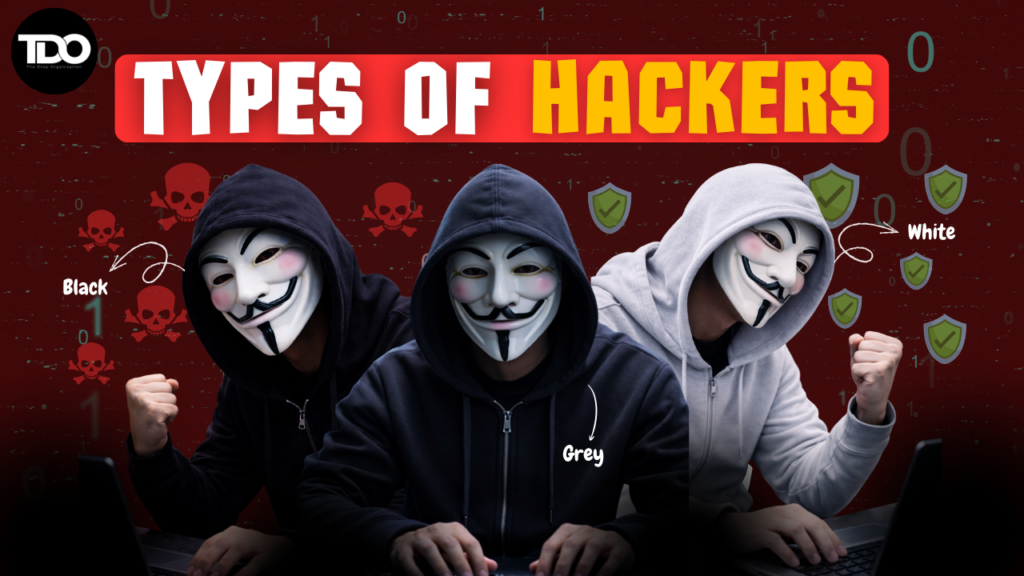
Looking for ethical hacking meaning? Discover what ethical hacking is, its importance, and how it helps secure networks and digital systems. What comes to mind when you hear the word “hacker”? Although hackers are frequently portrayed in films as enigmatic criminals, the truth is far more complex. Depending on their goals, abilities, and techniques, hackers can be divided into various groups. To help you understand how these digital experts influence cybersecurity today, we’ll examine the three main categories of hackers in this blog post: white hat, black hat, and grey hat. We’ll understand ethical hacking meaning several times along the way so you can understand its significance in the digital era. Also Read:- Best Ethical Hacking Jobs You Can Aim For in 2026 Knowing the Ethical Hacking Meaning Let’s take a moment to clarify the ethical hacking meaning before delving into the various types of hackers. Fundamentally, ethical hacking refers to the use of hacking techniques in a constructive and legal manner. While they use the same tools and techniques as criminal hackers, ethical hackers—also referred to as white hat hackers—do so with authorization and with the specific objective of finding vulnerabilities before malevolent actors can take advantage of them. The term “ethical hacking” refers to a fundamental idea in contemporary cybersecurity, not merely a catchphrase. White Hat Hackers: The Cyberworld’s Protectors In cyberspace, white hat hackers are the good guys. White hats are the real-life embodiment of the ethical hacking concept. They collaborate with governmental, commercial, and nonprofit organizations to test systems, networks, and apps. Their purpose? to find security flaws and suggest fixes. The idea behind ethical hacking uses hacking abilities responsibly to make systems safer is evident in every test they conduct. Black Hat Hackers: The Outlaws of the Internet Black hat hackers, who disregard ethics and the law, are on the other end of the spectrum. They take advantage of system flaws for their own benefit by stealing information, starting ransomware campaigns, or building botnets for hire. They demonstrate the consequences of totally ignoring the ethical hacking meaning. Even though black hat activity is malevolent, knowing their strategies enables ethical hackers to foresee and prevent it. Grey Hat Hackers: Uniting Good and Evil Grey hat hackers live in the gray area. They may find vulnerabilities without authorization, but rather than taking advantage of them for their own benefit, they may alert the impacted company and occasionally even demand compensation. Because their actions may still be unlawful or undesirable, they don’t neatly fit into the ethical hacking meaning. Although grey hats can be beneficial by warning businesses about vulnerabilities, their work falls outside the strictest definition of ethical hacking due to their lack of official approval. Why Does Ethical Hacking Meaning Matters? You might ask why the term “ethical hacking” is used so frequently. The explanation is straightforward: safeguarding data, upholding privacy, and guaranteeing confidence in digital systems all depend on an understanding of ethical hacking. This is why: Organizations can transform possible weaknesses into strategic strengths by adopting the ethical hacking principles. How to Become a Hacker with Ethics? Here is a road map for those who are motivated by the white hat approach and wish to apply ethical hacking meaning: Your understanding of ethical hacking meaning and its useful applications is strengthened with each step you take toward certification and practical experience. Common Myths Regarding Cybercriminals Let’s dispel a few myths, particularly regarding the ethical hacking meaning: Organizations can better appreciate the role of hackers who embrace the true spirit of ethical hacking meaning by being aware of these misconceptions. Summarization Knowing the three types of hackers—and particularly the ethical hacking meaning—is essential in a time when data is valuable and cyber threats are present everywhere. Black hat hackers show the perils of disregarding ethical hacking, grey hat hackers remind us of how thin the line can be between right and wrong, and white hat hackers promote the ethical hacking meaning. Organizations and individuals alike can turn possible weaknesses into strengthened defenses by adopting ethical hacking meaning, guaranteeing a safer digital future for all. Keep in mind that hiring or training an ethical hacker is more than just signing a contract; it’s an investment in the ethical hacking meaning that ensures the security of our globalized society. Want to start your learning journey on Cyber Security and Ethical Hacking field?
Best Ethical Hacking Jobs You Can Aim For in 2026

Explore the best ethical hacking jobs to target in 2026. The digital world of 2026 is very different from what it was a few years ago. The “surface area” for cyberattacks is at an all-time high due to the explosive growth of agentic AI, decentralized finance, and interconnected IoT ecosystems. As a result, the need for ethical hacking positions has changed from being a specialized IT need to a vital business requirement. The cybersecurity industry offers some of the most lucrative and intellectually stimulating opportunities if you want to future-proof your career. The best ethical hacking jobs to pursue, the changing skill sets needed, and a thorough analysis of ethical hacking salaries in India and around the world are all covered in this guide. Also Read:- A Guide to Ethical Hacking Course Fees in 2025 Why Will the Career of 2026 Be Ethical Hacking? The global cybersecurity market is expected to reach $300 billion by 2026. The explanation is straightforward: hackers are now sophisticated AI-driven organizations and state-sponsored organizations rather than just lone individuals in basements. Organizations are actively hiring for a variety of ethical hacking positions in order to combat these threats. Because of the move toward “Zero Trust” architectures and “Secure-by-Design” principles, ethical hackers are now involved early in the software development lifecycle rather than only at the end. From deep-code analysis to high-level strategic planning, this evolution has produced a wide variety of ethical hacking jobs that appeal to various interests. Top Jobs for Ethical Hacking in 2026 1. Cloud Security Penetration Tester The demand for specialized cloud testers has increased dramatically as businesses shift all of their operations to multi-cloud environments (AWS, Azure, and Google Cloud). This position necessitates a thorough understanding of server-less architectures and container security (Docker/Kubernetes), in contrast to traditional network testing. Focus: Finding cloud bucket configuration errors, IAM (Identity and Access Management) vulnerabilities, and API security. 2. AI Security Specialist (Adversarial Machine Learning) This is perhaps the newest and most exciting category of ethical hacking jobs in 2026. These professionals focus on “hacking” AI models to ensure they cannot be manipulated via data poisoning or prompt injection attacks. Focus: Protecting the integrity of LLMs (Large Language Models) and ensuring AI-driven automated defenses are not tricked by malicious actors. 3. Red Team Lead Red Teaming goes beyond simple vulnerability scanning. It involves full-scale simulated attacks on an organization to test its detection and response capabilities. As a Red Team Lead, you manage a group of specialists to find creative ways to infiltrate the most secure systems. Focus: Covert lateral movement within a network, physical security evasion, and social engineering. 4. Researcher for IoT and OT Security Now that the “Internet of Everything” is a reality, it is critical to secure medical equipment, power grids, and smart factories. Firmware analysis and hardware protocol knowledge are necessary for these ethical hacking jobs. Focus: Identifying embedded system vulnerabilities and preventing physical harm from cyberattacks. 5. Engineer in DevSecOps The barrier separating “security” and “development” has finally collapsed. By directly integrating security tools into the CI/CD pipeline, a DevSecOps engineer makes sure that all code is automatically scanned and “hacked” before it is ever put into production. Focus: Automating security testing and fostering communication between the security team and developers. Recognizing the Salary Landscape of Ethical Hacking Jobs For both newcomers and veterans, the 2026 compensation figures are extremely positive. Three primary factors affect the salary for ethical hacking jobs: specialization, certifications, and the capacity to deal with AI-driven threats. Early in their careers, skilled ethical hackers around the world can anticipate earning six figures (USD). Because of the high value these professionals add to a company’s risk management strategy, total compensation packages for those concentrating on elite roles like AI Security or Zero-Trust Architecture frequently include sizable performance bonuses and equity. What to Expect from Ethical Hacking Jobs in India? India has established itself as a major global center for cybersecurity. The salary trend for ethical hacking jobs in India has significantly increased due to the establishment of Global Capability Centers (GCCs) by major financial institutions and tech giants in cities like Bangalore, Hyderabad, and Pune. A Comprehensive Look at Ethical Hacking Job Salaries in India India has evolved from a back-office center to a world leader in cybersecurity innovation. This change has resulted in a significant increase in the pay for ethical hacking positions in India. Starting packages for new hires with a strong certification, such as CEH v13 or CompTIA Security+, typically range from ₹6 lakhs to ₹10 lakhs annually in 2026. This is much more than the nation’s average entry-level position in software engineering. The pay for ethical hacking jobs in India rises sharply as you advance into mid-level roles with three to six years of experience. Professionals in this category usually make between ₹15 and ₹25 lakhs a year. Specialists in high-demand fields, such as penetration testing or cloud security for the fintech industry, frequently receive even higher offers. The possibilities are endless for leads and senior professionals with more than eight years of experience. Senior ethical hacking positions in major cities like Bangalore, Mumbai, or Hyderabad typically pay between ₹35 and ₹60 lakhs, with C-suite positions like Chief Information Security Officer (CISO) easily exceeding ₹1 crore in large corporations and Global Capability Centers (GCCs). The State of Ethical Hacking Employment in India India’s ethical hacking employment market is growing geographically as well. Although Bangalore continues to be the “Cyber Capital,” other cities are rapidly catching up. It’s interesting to note that the growth of remote work has made it possible for Indian professionals to work in global ethical hacking positions from Tier-2 cities like Jaipur, Kochi, and Ahmedabad while still residing in India and receiving compensation commensurate with the rest of the world. Competencies Needed in 2026 for Ethical Hacking Jobs You need a modern toolkit in order to command the highest salary for ethical hacking jobs. The days of using automated scanners exclusively are long gone Strategy and Soft