
How to Hack WhatsApp Account Ethical Hacking?
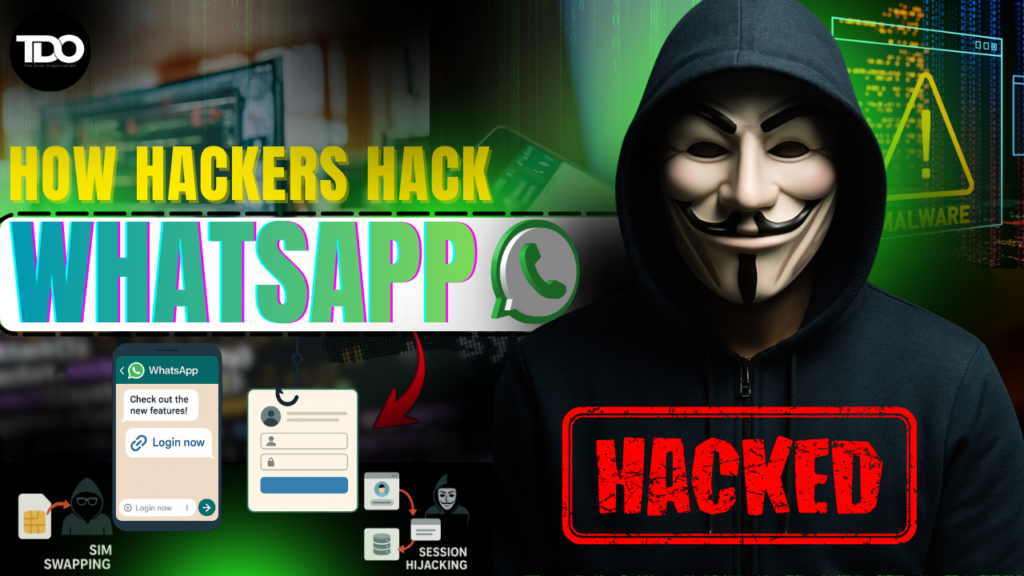
Understand how to hack WhatsApp account ethical hacking is used to demonstrate security flaws, help prevent attacks, and strengthen WhatsApp privacy settings. In today’s digital world, security is crucial. With billions of users, WhatsApp is home to some of our most private and private correspondence. Despite the platform’s strong end-to-end encryption, no system is completely safe from attack, particularly when the human user is the weakest link. This manual examines ethical hacking, a legal, defensive cybersecurity technique. Knowing how to hack WhatsApp account ethical hacking techniques is the first crucial step towards creating unbreakable defenses, whether you are a security expert, researcher, or just someone looking to strengthen your digital life. Also Read:- A Guide to Ethical Hacking Course Fees in 2025 The White Hat Perspective on Ethical Hacking The word “hacking” is frequently used negatively and is connected to illegal activity. On the other hand, ethical hacking—also known as “white hat” hacking—is a highly esteemed professional field. With the owner’s express consent, ethical hackers legally and methodically investigate weaknesses in a system, application, or network. Their objective is to strengthen the system against malevolent “black hat” attacks through identification and remediation rather than exploitation. Learning how to hack WhatsApp account ethical hacking techniques is crucial for penetration testing, or pen-testing, for a security expert interested in secure messaging apps. This includes testing the user’s configuration integrity, device security, and resilience against typical social engineering schemes. Getting Around the Ethical and Legal Framework Establishing a non-negotiable principle is essential before using any techniques: Accessing any private account or system without authorization is prohibited, immoral, and subject to harsh legal repercussions. The theoretical attack vectors and defense mechanisms covered in this article are limited to sanctioned testing environments (e.g., testing your own device or a system where you have written permission to perform pen-tests). The following guidelines must be followed by anyone looking into how to hack WhatsApp account ethical hacking: Understanding implementation flaws rather than flaws in the fundamental E2E protocol is the true goal of legitimate research into how to hack WhatsApp account ethical hacking. Why Direct Server Hacking Is Not Possible? The Signal Protocol, which offers end-to-end encryption (E2EE), is WhatsApp’s main defense mechanism. Important Security Features: A malevolent actor cannot easily access message content by breaching WhatsApp’s central servers due to E2EE. As a result, the user, the device, or the access session are the targets of nearly all successful compromises that an ethical hacker would look into. Understanding Typical Attack Vectors Experts concentrate on the weakest links in the security chain when investigating how to hack WhatsApp account ethical hacking. Black hat actors primarily target these vectors: (A) Phishing and Social Engineering (The Human Factor) This is the most popular and efficient way to gain unauthorized access. The user is tricked by attackers into voluntarily divulging the crucial six-digit verification code. (B) Carrier Weakness: SIM Swapping A high-level threat known as “SIM swapping” occurs when an attacker persuades the victim’s mobile provider to transfer the phone number to a SIM card under their control. (C) Hijacking a WhatsApp Web or Desktop Session A QR code scan is used to authenticate a user’s session when using WhatsApp Web or Desktop. The Web/Desktop session may be taken over if the device used for it is left unattended or has malware on it. (D) Exploits on Local Devices (Root Access and Spyware) Although they are uncommon, flaws in the iOS or Android mobile operating systems can be used to install potent surveillance tools like Pegasus. The Methodology of Ethical Hacking for WhatsApp Defense The professional looking to learn how to hack WhatsApp account ethical hacking adheres to a rigorous process intended for defensive hardening and vulnerability disclosure: A. Reconnaissance and Enumeration The target (user, device, or organization) is the subject of intelligence gathering by the ethical hacker. This entails locating phone numbers, connected services, cloud backup setups, and publicly accessible information that might be exploited for social engineering. B. Vulnerability Assessment and Penetration Testing During this phase, known attack vectors are actively used to try to compromise the system, but always in a controlled, non-destructive environment. C. Reporting and Corrective Action The most important step is this one. The approved conclusions are recorded, severity ratings are given, and prompt defense measures are offered. This reporting stage should take precedence over exploitation for anyone looking into how to hack WhatsApp account ethical hacking. Security experts generally come to the conclusion that user awareness and device security are far more crucial than the E2EE integrity of the application. Useful Defense: Overcoming the Ethical Hacking Exam Implementing defenses that render the attacker’s task impossible is the best way to comprehend how to hack WhatsApp account ethical hacking. 1. Turn on two-step authentication (2FA). Right away This is the best defense you have. You must generate and maintain a unique, six-digit PIN in order to use WhatsApp’s 2FA. How it works: Without this 2FA PIN, an attacker cannot activate your account on a new device, even if they are successful in swapping SIM cards or stealing your SMS code. Ninety percent of social engineering and SIM-swapping attempts are thwarted by this. 2. Keep Your Six-Digit SMS Code Safe Under no circumstances should you divulge the six-digit registration code to anyone. This code will never be requested by WhatsApp, your carrier, or official technical support. 3. Safe Web Sessions on WhatsApp When you’re done using WhatsApp Web/Desktop, always log out, especially if you’re using a shared or public computer. Check “Linked Devices” in the WhatsApp settings on a regular basis, and delete any sessions you don’t recognize. 4. Protect Your Device (The Basis) The device is the weakest link, so make sure: 5. Make Use of Encrypted Backups Make sure you enable the End-to-End Encrypted Backup function in WhatsApp settings if you use cloud backups (iCloud or Google Drive). This keeps your message history safe even in the event that your cloud account is hacked. Conclusion: Understanding Vulnerability to Master Defense Knowing how
How Ethical Hacking Actually Works?

Ethical hacking helps identify and fix security vulnerabilities before attackers exploit them. Learn the skills, tools, and techniques used by professional cyber defenders. Security is not only a top concern but also the cornerstone of civilization in the digital world, where every transaction, communication, and piece of proprietary data travels across interconnected networks. However, the threat landscape is always changing due to the presence of skilled adversaries looking to take advantage of weaknesses for evil purposes. An ethical hacker has emerged as a new kind of hero to counter these threats. Ethical hacking is a highly regulated, legalized, and vital defensive tactic, far from the malevolent parody frequently depicted in the media. It is the process of mimicking actual cyberattacks under stringent authorization in order to find and close security flaws before hackers can take advantage of them. If you’ve ever wondered what this important field involves, what ethical hacking means, or even can I learn ethical hacking online, this comprehensive guide will shed light on the entire process, explaining how ethical hacking works and the vast array of applications it can be used for. Also Read:- Is a Diploma in Ethical Hacking Right For You? What is Ethical Hacking? Establishing the underlying philosophy is crucial before delving into the methodology. Hacking can be defined as “finding and exploiting vulnerabilities in a system.” Intent and authorization distinguish a security expert (White Hat) from a criminal (Black Hat). The Code of Conduct and Intent A stringent code of conduct governs ethical hacking. The expert, also known as a white-hat hacker or penetration tester, follows three fundamental guidelines: Therefore, what ethical hacking means at its core is defensive offense. It is the methodical, structured application of offensive tools and mindsets to fortify defenses, guarantee compliance, and maintain organizational integrity. The practice of ethical hacking transforms the tools of destruction into instruments of prevention. How Ethical Hacking Works? The power of ethical hacking lies in its methodology. It is not random probing; it is a meticulously planned, iterative process designed to mimic the exact steps a malicious attacker would take. Understanding how ethical hacking works requires breaking the process down into the five critical phases that every penetration test follows. Phase 1: Information Gathering (Reconnaissance) The first and possibly most important stage is reconnaissance. The objective is to learn as much as you can about the target without raising red flags. This is where a professional ethical hacker spends most of their time because thorough knowledge significantly increases the likelihood of discovering an exploit later on. Tactics Used: The output of the reconnaissance phase is a detailed map of the target’s infrastructure, potential entry points, and likely targets (e.g., outdated servers or disgruntled employees for potential social engineering). Phase 2: Scanning and Enumeration (Mapping the Attack Surface) With general intelligence collected, the ethical hacker moves into active scanning, designed to identify specific live hosts, open ports, and potential vulnerabilities. Tools such as Nmap (Network Mapper) become essential in this situation. Important Actions: This structured mapping allows the ethical hacking team to move from general information to specific, exploitable targets. Phase 3: Gaining Access (Exploitation and the Breach) This is the phase most people associate with hacking. Based on the vulnerabilities identified in Phase 2, the ethical hacker attempts to breach the system. Gaining control over a system or application is the aim. Techniques of Exploitation: It is crucial to note that in ethical hacking, the white-hat hacker stops the moment they successfully gain entrance. They record the precise technique used to obtain access and proceed straight to the next stage without causing any harm to the system or stealing data. Phase 4: Preserving Access (Building Persistence) When a malicious attacker first enters, they will try to make sure they can come back even if the original exploit is patched; this is persistence. To show the full scope of the risk, the ethical hacking team must replicate this step. Strategies for Endurance: This stage is meant to demonstrate to management that a breach is not a “one-and-done” occurrence; once an attacker gains access, they can frequently conceal themselves and remain there for a long time. Phase 5: Analysis and Track-Clearing (Reporting and Remediation) The last stage confirms that the test is ethical. A malevolent hacker would erase all traces of their presence from logs. In contrast, an expert in ethical hacking gathers and disseminates their findings. The final products: This methodical, repeatable approach is essential to ethical hacking’s operation and gives businesses a proactive, defendable security posture. Conclusion: Ethical Hacking is Always Necessary Cybercrime is becoming more and more sophisticated. Zero-day vulnerabilities are traded like valuable commodities, ransomware cartels are holding hospitals and infrastructure hostage, and nation-states are conducting digital espionage. Passive defense is inadequate in this situation. The essential preventative measure is ethical hacking. It is an industry based on the idea that thinking, acting, and attacking like a criminal with a fundamentally moral goal is the only way to genuinely secure a system. Knowing how ethical hacking works is no longer optional—it is essential literacy for the digital age—whether you are a corporate executive aiming for compliance, a student wondering if you can learn ethical hacking online, or a professional hoping to move into the fastest-growing industry of IT. The world’s digital infrastructure is protected, privacy is preserved, and resilience is guaranteed by ethical hacking. Although it is a difficult profession, it has significant responsibility and influence. Want to start your learning journey on Cyber Security and Ethical Hacking field?
A Guide to Ethical Hacking Course Fees in 2025

The headlines have reached you. cyberattacks, data breaches, and the ongoing arms race in digital technology. It’s obvious that today’s heroes work behind keyboards rather than just in capes. You’re drawn to the field of ethical hacking because it’s a thrilling, demanding, and immensely fulfilling career. One important question is preventing you from moving forward even though you’re prepared to do so: what are the ethical hacking course fees? It’s an important and legitimate question. Investing in your education is a significant decision, and in order to make an informed one, you must be aware of the associated costs. This guide will demystify the world of ethical hacking course fees, explain the factors that affect the price, and present you with high-quality, reasonably priced options that can help you start your cybersecurity career without breaking the bank. What Affects the Ethical Hacking Course Fees? You’ve undoubtedly seen a bewildering array of costs if you’ve begun your research. One platform may charge several thousand rupees for a course, while another may charge lakhs. The final cost is determined by a number of important factors, so it’s not random. The Typical Range of Course Fees for Ethical Hacking To help you see things more clearly, let’s divide the market into three broad categories: What is the sweet spot, then? How can you get the thorough, practical instruction of a mid-range course at a cost that seems reasonable? The Drop Organization Difference: Premium Skills, Practical Prices At The Drop Organization, we believe that a high-quality cybersecurity education should be accessible to everyone with the passion to learn. We’ve structured our courses to provide maximum value, focusing on practical, industry-relevant skills without the exorbitant ethical hacking course fees. We offer two distinct pathways tailored to your current skill level and career goals. 1. For the Aspiring Beginner: The Hack Track (THT) Are you completely new to cybersecurity? The Hack Track is your perfect launchpad. This course is meticulously designed to build your foundational knowledge from the ground up, covering the essential concepts and tools you need to start your journey. This arrangement eliminates the financial barrier to entry by making ethical hacking course fees extremely affordable for novices. 2. Take the Drop Cyber Security Course (DCSC) if you’re a serious job seeker. Are you prepared to transition from hobby to career? Our premier program is the DCSC. It’s a thorough, in-depth course that gives you the advanced abilities and practical experience that employers are looking for. You will go beyond the fundamentals and learn practical methods for testing and defending contemporary networks. Our flagship program’s ethical hacking course fees are intended for serious students who want a top-notch education at a fraction of the price of conventional bootcamps. The Reasons Our Ethical Hacking Course Fees Make Sense When you consider ethical hacking courses fees, you are investing in a new career rather than just purchasing videos. The best return on investment is offered by The Drop Organization for the following reasons: Your Way Ahead It’s a marathon, not a sprint, to become a cybersecurity expert. Selecting a training partner who respects your budget and is dedicated to your success is the first step. Ethical hacking course fees don’t have to be a barrier to investing in your future. You’re making a wise, cost-effective decision whether you start with The Hack Track or delve deeper with the DCSC. Are you prepared to learn instead of wondering? Want to start your learning journey on Cyber Security and Ethical Hacking field?
Is a Diploma in Ethical Hacking Right For You?

The guardians of the digital realm are more important than ever in a data-driven world. News of data breaches, cyberattacks, and sophisticated digital threats dominate headlines every day. However, the ethical hackers—digital defenders—are on the opposing side of this conflict. Have you ever wondered how you could become a member of their ranks, making a high-demand career out of your abilities? A diploma in ethical hacking could be the solution. There’s more to this than just picking up some tricks. In order to create unbreakable defenses, it involves a methodical, thorough exploration of a hacker’s mind. Let’s examine how a diploma in ethical hacking can help you transition from being an inquisitive observer to an active participant in the field of cybersecurity. Also Read :- Ethical Hacking Course Free Online What is Diploma in Ethical Hacking? Let’s dispel a common misperception. Becoming a shadowy figure in a hoodie is not something that can be achieved with a diploma in ethical hacking. Rather, consider it formal as an academic program that aims to give you a thorough and methodical understanding of penetration testing techniques and cybersecurity principles. So, what is a diploma in ethical hacking, then? It’s a structured curriculum that covers everything from the basics of operating systems and computer networks to sophisticated methods for finding vulnerabilities in networks, applications, and systems. A diploma program offers a comprehensive educational experience that includes theoretical knowledge, practical labs, and ethical guidelines, in contrast to standalone certifications that frequently concentrate on a particular tool or technology. It is the structure that transforms raw aptitude and curiosity into a set of professional abilities. A diploma—Why? An Organized Learning Path’s Advantages You may wonder, “Why not just teach myself?” in this era of endless online tutorials. While self-learning is commendable, earning a diploma in cyber security and ethical hacking has clear benefits that are difficult to duplicate on your own. Establishing the Unbreakable Basis: Prior to the Diploma Starting a diploma in ethical hacking is a big step, but you can’t start on the tenth floor, just like when building a skyscraper. It is impossible to compromise on a strong foundation in the fundamentals. This is where you can make the most of your diploma program and gain a significant advantage. Our specialty at The Drop Organization is laying that exact foundation. We think you have to learn to walk before you can run. Our foundational courses are made especially to get you ready for the more complex ideas you’ll come across in a diploma program. Beginning with our courses guarantees that you won’t just be following directions in your diploma labs; instead, you will comprehend the how and why of each exploit and command. What to Anticipate from a Diploma in Ethical Hacking Program? A good diploma in ethical hacking program will usually include these fundamental modules, though programs differ: Is This the Right Path for You? A diploma in ethical hacking is not only for seasoned IT professionals. It’s a great option for a variety of people: Your Journey Begins Now More heroes are needed in the digital world. The need for competent ethical hackers is rapidly increasing, and there are far more open positions than qualified applicants to fill them. The first step to becoming one of those in-demand professionals is to pursue a diploma in ethical hacking . Are you prepared to start? Avoid jumping headfirst into the deep end. Start by laying your foundation. Discover the DCSC and The Hack Track courses at The Drop Organization to develop the self-assurance and fundamental abilities required for success. Once you have that strong foundation, you will be well-equipped to succeed in a diploma in the cyber security and ethical hacking program you select and start a lucrative and deeply fulfilling career. Awaiting you is your future as a digital defender. Want to start your learning journey on Cyber Security and Ethical Hacking field?
Ethical Hacking: A Complete Guide for Beginners
The digital world is a battleground in today’s hyperconnected society. Malicious actors target governments, companies, and people every day in order to take advantage of weaknesses for personal benefit. Reports of ransomware attacks, identity theft, and data breaches are common in the news, which are making us all feel a little more vulnerable. However, what if it were possible to retaliate not with more advanced weaponry but rather with a better comprehension of the enemy’s strategy? This is exactly the situation in which the unpredictable field of ethical hacking is useful. The term “ethical hacking” may have caught your attention. Perhaps the thought of applying your technical expertise to safeguard systems rather than jeopardize them excites you. Or maybe you just want to know how ethical hacking works and why it’s becoming more and more significant in our digital lives. You’ve arrived at the ideal location, regardless of your reason. This in-depth manual will demystify ethical hacking, outline its vital function, and—above all—provide an answer to the most pressing query: Can I learn ethical hacking online? Ethical hacking: What Is It? Fundamentally, ethical hacking, sometimes referred to as penetration testing or white-hat hacking, is the act of purposefully trying to compromise computer networks, systems, or applications. One important distinction is that it is carried out with the owner of those systems’ express consent and with the intention of locating security flaws before malevolent actors can take advantage of them. Consider it as a highly qualified cybersecurity detective who is hired to identify potential entry points and weaknesses used by a real burglar and then report them so that they can be fixed. Ethical hackers follow a strict code of conduct, in contrast to their malevolent counterparts, known as black-hat hackers. They are not motivated by malice, greed, or any desire to hurt others. Rather, protection is what drives them. They employ the same methods, tools, and strategies as malevolent hackers, but they do so in a positive way. In addition to highly developed technical abilities, this calls for a strong sense of integrity and a dedication to responsible disclosure. What Makes Ethical Hacking So Vital? Professionals with expertise in ethical hacking are more needed than ever. Both the threats and the digital world are always changing. Advanced persistent threats (APTs), zero-day exploits, and social engineering techniques are some of the increasingly complex strategies used by cybercriminals to get around conventional security measures. Ethical hackers can help close the gap in this situation. In today’s digital environment, ethical hacking is essential for the following reasons: The Penetration Testing Lifecycle and How Ethical Hacking Operates What is the actual process of ethical hacking? The procedure, which is frequently called the penetration testing lifecycle, is generally organized and adheres to a specified methodology. Although particular steps may differ based on the goals and scope, the following is a typical breakdown: Because of this methodical approach, ethical hacking is guaranteed to be a controlled and methodical process with the goal of improving security rather than a chaotic free-for-all. Is It Possible to Learn Ethical Hacking Online? The answer to the question that probably led you here is a resounding YES! Education has become more accessible in the digital age, and ethical hacking is no different. There is no doubt that ethical hacking can be learned online, and the resources are more extensive and plentiful than ever. The days of needing to attend pricey in-person bootcamps or pursue formal degrees to acquire advanced cybersecurity skills are long gone. Aspiring ethical hackers now have a plethora of options thanks to the internet. Here’s how to start your educational journey: Crucial Elements of Online Education Online ethical hacking education is very accessible, but it’s important to approach it with the correct attitude and recognize the dedication needed. The Path of an Ethical Hacker: Competencies to Develop You must acquire a wide range of skills in order to become an ethical hacker. Knowing how to operate a particular tool is not enough; you also need to comprehend the underlying ideas and know how to use them creatively. Here are some crucial areas to pay attention to: Starting the Journey: Your Ethical Hacking Adventure Is About to Begin At first, the field of ethical hacking may appear intimidating, but keep in mind that all professionals were once novices. Ethical hacking is definitely something you can learn online, and the process is very fulfilling. It’s a field that provides intellectual challenge, ongoing education, and the chance to truly contribute to safeguarding our digital world. Start by looking through the available internet resources. Immerse yourself in the cybersecurity community, try out virtual labs, and enroll in introductory courses. Have self-compassion, acknowledge your accomplishments, and never stop learning. Perhaps you are one of the guardians needed for the digital fortress. Want to start your learning journey on Cyber Security and Ethical Hacking field?
How to Learn Ethical Hacking Course Free?

In a data-driven world, cybersecurity is more than just a trendy IT term; it’s the digital stronghold defending our private lives, companies, and national security. The demand for qualified ethical hackers has increased dramatically as a result of the growing sophistication of cyber threats. The primary defenders, known as “white-hat” heroes, are entrusted with identifying and addressing security vulnerabilities before malevolent attackers can take advantage of them. You are most likely drawn to this fascinating field if you are reading this. You see a job in which you outsmart cybercriminals, safeguard important information, and get paid well for your abilities. But then reality sets in. With certifications from organizations like EC-Council or CompTIA costing tens of thousands of rupees, the cost of the courses you start looking at seems unaffordable. This cost barrier can feel like a closed door to many prospective students, particularly those from smaller towns who are IT professionals and students. What if, however, we told you that you could begin your career in this highly sought-after field for free? You did indeed read correctly. Obtaining a top-notch ethical hacking course free is totally feasible. This thorough manual is your road map if you’re eager to learn, driven, and passionate but are hampered by your financial situation. We will demonstrate how The Drop Organization is democratizing cybersecurity education and how you can start your training today. Let’s get started and help you reach your full cyber warrior potential! What is Ethical Hacking? It’s important to comprehend what ethical hacking actually entails before we look at how to learn it for free. It has nothing to do with the nefarious, covert actions depicted in films. In simple words, the accepted and lawful activity of trying to break into computer networks, applications, or systems in order to find security flaws is known as ethical hacking. Imagine it as a professional locksmith testing your home’s locks. In order to identify your weaknesses and strengthen them, you allow them to attempt a break-in, not to take your possessions. The same is true of “white-hat” or ethical hackers who target digital assets. They employ the same instruments and methods as malevolent hackers, but they differ primarily in their intent and authorization. They are trying to make security stronger, not weaker. Any organization that wants to avoid catastrophic data breaches and stay one step ahead of cybercriminals must adopt this proactive approach. Why is Ethical Hacking Learning Essential? Enrolling in an ethical hacking course free is a calculated first step toward a fulfilling and influential career, not just a way to save cash. The following justifies the increased value of this skill set: Learning ethical hacking is one of the best investments you can make if you’re looking for a demanding, financially rewarding, and impactful career. It’s even better if you can start for free. Why High-Quality Cybersecurity Learning Out of Reach? Even though the advantages are obvious, cost frequently stands in the way. Professional ethical hacking certifications and training are infamously costly. This high expense is more than just a figure; it’s a barrier that disproportionately impacts gifted and driven people from disadvantaged backgrounds or isolated places who might not have access to funding. A forward-thinking cybersecurity company called The Drop Organization, with its headquarters in West Bengal, set out to address this exact issue. Meet The Drop Organization, Your Cybersecurity Ally Roshan Burnwal, a dynamic entrepreneur, founded The Drop Organization, which is more than just a training facility. The company is committed to ensuring that cybersecurity education is available to all individuals, irrespective of their financial circumstances. With an impressive record of educating more than 25,000 students throughout India, DROP has emerged as a ray of hope for those hoping to pursue careers in cyberspace. Drop’s steadfast student-first philosophy is what makes it unique. Their practical-focused curriculum, extensive internship support, reasonably priced paid programs, and—above all—their dedication to offering a top-notch ethical hacking course free, through a variety of channels all demonstrate this. How to Enroll in The Drop Organization’s Ethical Hacking Course Free? Are you prepared to begin learning? To guarantee that knowledge is never hidden behind a paywall, the Drop Organization has developed a multifaceted strategy. You can get your ethical hacking course free right now in the following ways: You can create a solid foundation and successfully obtain an ethical hacking course free online by utilizing these four pillars. Are You All Set to Go Pro? The DCSC Course: Excellent Instructions at a Reasonable Cost Even though the free resources are excellent for getting started, many students ultimately look for a structured, accredited program to advance your careers. Here comes The Drop Organization with the DCSC (DROP Certified Security Course) course for you. This program, which aims to transform you from a novice to a professional prepared for the workforce, is the ideal next step. In keeping with your goal, Drop has created one of the nation’s most accessible and reasonably priced certification programs. Important Aspects of the DCSC Course: Unbeatable Affordability Even this premium course is still affordable for everyone thanks to the student-friendly pricing and EMI options. Developing Your Career with an Ethical Hacking Course Free The career benefits are enormous, regardless of whether you enroll in the DCSC program or begin with an ethical hacking course free and work your way up. This is how your future might unfold: Starting with an ethical hacking course free is about more than just education; it’s about opening up a world of possibilities. Don’t Let Money Decide Your Career; Your Journey Begins Now Your financial situation no longer limits your ability to pursue your dream of becoming a cyber warrior, a digital guardian protecting against the forces of cybercrime. This is your chance to learn, and it costs nothing. By giving you the resources, information, and support of the community you require to thrive, the Drop Organization has created a bridge to cross the financial gap. You have the route mapped out for you. Your first step
Your Ultimate Guide to the Best Ethical Hacking Books in 2025

A hacker is frequently pictured as a shady figure in a pitch-black room, frantically typing code to get into secure systems. However, what if that same set of abilities could be put to good use? What if you were the first to identify the weaknesses in the digital armor before the adversaries did? Greetings from the ethical hacking community. You’re not just here. You’re inquisitive, motivated, and prepared to enter a field that is more important than ever. However, where do you begin? Tutorials, videos, and disjointed advice abound on the internet. You need organized, specialized knowledge to create a genuinely strong foundation. You require a guide. And nothing compares to the carefully chosen knowledge contained in a book’s pages for that. This guide serves as your go-to resource for the best ethical hacking books on the market right now. The right book is your most effective tool, regardless of your level of experience—whether you’re a novice hoping to pass your first penetration test or an experienced professional trying to hone a particular skill. We’ll look at classic works, specialized manuals, and even the best ethical hacking books for novices in 2025. Why Start With Best Ethical Hacking Books? You may ask why you should spend time reading books in a time when learning can be done instantly on sites like YouTube and Drop Application. Structure and depth hold the key to the solution. Think of online tutorials as your daily workouts, and these books as your comprehensive training and nutrition plan. You need both to be a top-tier digital athlete. Finding the best ethical hacking books is the first step in that plan. The Hacker’s Library: Sorting the Best Ethical Hacking Books Hacking the Pentagon isn’t your first objective if you’re just starting out. It is to comprehend the language of networks and computers. Since they lay the foundation for all of your future abilities, these are without a doubt the best ethical hacking books for beginners in 2025. Hacking: The Art of Exploitation, 2nd Edition by Jon Erickson Penetration Testing: A Hands-On Introduction to Hacking by Georgia Weidman The Web Application Hacker’s Handbook: Finding and Exploiting Security Flaws by Dafydd Stuttard and Marcus Pinto A Modern Enemy: The Value of Reading “Cybercon: Decoding the Attack” While the basics remain crucial, cybersecurity is evolving rapidly. Given new attack techniques, cloud vulnerabilities, and sophisticated defense systems, a modern perspective is required. This is where our own publication shines. With great pleasure, we present “Cybercon: Decoding the Attack” from The Drop Organization. A Reminder for Our Hindi-Speaking Audience: The Best Ethical Hacking Books in Hindi We recognize that there is a large and growing talent pool within the Hindi-speaking community. There is a great need for technical content in regional languages of superior quality. Although the most popular international titles are often in English, this is beginning to change. When searching for best ethical hacking books in hindi, there are an increasing number of excellent resources available. Look for: Since these constitute the universal language of hacking, it is crucial to concentrate on reading books that teach the basics of operating systems (Linux is essential!), networking (TCP/IP, DNS), and at least one programming language (Python is advised). How to Use These Books as Your Success Roadmap? You’re not a hacker just because you bought a bunch of books. You must have a plan. Conclusion: Your Journey Begins on a Single Page The path to becoming an ethical hacker is challenging but highly rewarding. By defending the digital world against threats one at a time, you are assuming the duties of a guardian in the modern age. Your most dependable allies on this journey will be the information and insight you acquire along the way. Your first line of defense should be this list of the best ethical hacking books. Every book serves as a stepping stone to mastery, from the fundamental ideas in Hacking: The Art of Exploitation to the contemporary, scenario-based methodology in Cybercon: Decoding the Attack. Select your first book, turn to the first page, and start changing. Which books about ethical hacking are your favorites? Have we overlooked a treasure? Leave a comment below with your suggestions. Want to start your learning journey on Cyber Security and Ethical Hacking field?
Can I do an Ethical Hacking Course After 12th?

Exams are over, the last bell of your 12th grade year has rung, and you now find yourself at one of the most exciting—and intimidating—crossroads in your life. Something else has caught your attention while your friends discuss engineering, medicine, and business. The lone genius in a dark room, fingers flying across a keyboard, breaking through sophisticated firewalls—you’ve seen it in movies. However, you’re astute enough to recognize that the Hollywood adaptation is merely a fantasy. The real thing, ethical hacking, is what you’re after. Being a cyber-sentinel or digital defender who identifies vulnerabilities before the bad guys do appeals to you. This leads to the crucial query that has probably been on your mind: Is it possible for me to enroll in an ethical hacking course after I turn 12? A resounding YES is the short answer! Not only can you, but one of the greatest times to set the groundwork for an exciting and successful career in cybersecurity is immediately following your 12th grade graduation. This manual serves as your road map. Everything you need to know will be covered, from eligibility and prerequisites to selecting the best ethical hacking course and developing the abilities that will make you a highly sought-after professional. Why Should a 12th Grader Pursue a Career in Ethical Hacking? Prior to delving into the “how,” let’s clarify the “why.” Choosing a career path is a major decision, and you need to know you’re betting on a winning horse. Here are some reasons why ethical hacking is one of the smartest jobs and not just a “cool” one. The Most Important Question: Can I Take an Ethical Hacking Course After I Finish 12th Grade? This is the main point of your inquiry, and the answer is very straightforward. The vast majority of certification-based ethical hacking courses require completion of your 10+2 (twelfth grade) coursework. Let’s break down the routes: The key takeaway is that you don’t need a college degree to start learning. Your starting point is a focused ethical hacking course from a respectable organization. The Real “Prerequisites”: More Than Just a Degree Although it might let you into the classroom, a 12th grade certificate of completion does not guarantee success. The true prerequisites for a successful career in ethical hacking are your mindset and foundational knowledge. Before enrolling in an ethical hacking course, think about if you have: Which Course on Ethical Hacking Should I Take? An Overview of Your Choices Alright, you’re convinced and you fulfill the actual requirements. You now have a plethora of choices to choose from. Searching for “what ethical hacking course” can yield thousands of results. Let’s make it simpler. Generally speaking, your options fall into three groups: Start with foundational certifications before moving on to more complex ones. Create a strong foundation first. While there are options like CEH, OSCP, and various online programs where they offer great learning experiences. DROP Certified Security Course (DCSC) by The DROP Organization stands out as a top-tier choice for cybersecurity enthusiasts and professionals alike. 1. The Drop Certified Security Course (DCSC) One of the most thorough ethical hacking training courses is The Drop Organization’s Drop Certified Security Course (DCSC). This course, which is intended for both novice and seasoned security professionals, covers a wide range of subjects, such as but not restricted to: Learn about the fundamentals of security, including availability, confidentiality, and integrity. In order to help students effectively apply what they have learned, the Drop Certified Security Course (DCSC) also places a strong emphasis on hands-on exercises that mimic actual hacking scenarios. This course helps students become proficient ethical hackers and increases their confidence in implementing cybersecurity measures through practical labs, knowledgeable instructors, and a well-organized curriculum. DCSC strikes a good balance between theory and real-world application, preparing you for the cybersecurity workforce with confidence if you want to establish solid foundations while working on real-world projects. 2. Certified Ethical Hacker (CEH) One of the most well-known ethical hacking courses in the industry is the Certified Ethical Hacker (CEH) certification course, which is provided by the EC-Council. The CEH program, which is intended for IT professionals who want to progress in cybersecurity, offers thorough instruction on a wide range of ethical hacking topics, such as: By fusing theory with hands-on labs that closely mirror the current state of cyber threats, CEH’s interactive learning model creates an immersive experience. Aspiring ethical hackers can greatly benefit from the certification, which is highly regarded by employers around the globe. For whom is CEH appropriate? System administrators, IT specialists, and security enthusiasts seeking a methodical route to ethical hacking with international recognition. 3. Offensive Security Certified Professional (OSCP) One of the hardest yet most rewarding ethical hacking certifications for those looking for a challenge is the Offensive Security Certified Professional (OSCP) course. The OSCP program is renowned for its hands-on, practical approach, teaching participants how to think and behave like actual hackers. Important elements of OSCP training consist of: In order to pass the infamously difficult OSCP exam, candidates must live-test their hacking abilities through a penetration testing task. In addition to receiving a certification, successful applicants also gain self-assurance in their capacity to manage actual hacking situations. For whom is OSCP appropriate? Security experts and seasoned students hoping to progress into red teaming and penetration testing. How to Pick Your Ideal Ethical Hacking Course? When selecting one of these courses, take into account: One Last, Important Word: “Ethical” in Ethical Hacking We can’t emphasize this enough. Any ethical hacking course will teach you powerful skills. They can be used to steal and destroy, or they can be used to build and protect. Your code of ethics is the only thing that sets you apart from a criminal. Unauthorized hacking, also known as “black hat” hacking, is a serious offense with harsh penalties. Conclusion: Your Journey Begins Right Now Returning to our initial query, is it possible for me to enroll in an ethical hacking course after the 12th? Of
Ethical Hacking Roadmap for Beginners

You’ve made the decision to pursue a career in ethical hacking. Greetings! You are entering a world that is more demanding, tremendously fulfilling, and crucial than before. Perhaps you want a dynamic career that truly makes a difference in digital security, or maybe you’re intrigued by the idea of thinking like a criminal to stop one. The road ahead may seem overwhelming, regardless of where you’re coming from. An “ethical hacking roadmap” search yields a wealth of knowledge, resources, and certifications. Before you even start, it’s easy to get lost. We made this thorough guide for that reason. This is an ethical hacking roadmap for beginners that will help you go from complete curiosity to your first cybersecurity job. We’ll list the fundamental abilities you’ll require, break the process down into digestible steps, and point you in the direction of the greatest resources. Let’s begin your journey. What is Ethical Hacking? Before beginning the ethical hacking roadmap, it is crucial to comprehend the what and why. Ethical hacking, also known as penetration testing or white-hat hacking, involves breaking into computers and devices in a legal manner to test an organization’s defenses. The objective is not to cause harm, but to identify vulnerabilities before malicious actors (black-hat hackers) can exploit them. Think about this: if a bank designs a vault, they don’t just install it and hope for the best. They use a master safecracker to attempt to break in and discover any weaknesses. The fundamental tenets of ethical hacking are ethics, consent, and legality. To test a system, you must always have express permission, adhere to the parameters of your engagement, and safeguard any data you come across. Phase 1: Establishing Your Basic Knowledge Base You can’t run before you can walk. You must have a thorough understanding of how computers and networks operate before you can even consider downloading hacking tools. This foundational phase is non-negotiable — it’s the base of your entire ethical hacking roadmap. 1. Gain expertise in computer networking In the digital world, networking is essential. You have to understand it before you can take advantage of it. TCP/IP model, OSI model, IP addressing (IPv4, IPv6), subnets, DNS, DHCP, HTTP/HTTPS, SSL/TLS, routers, switches, and firewalls are important concepts to understand. How to Acquire It: Start by watching the free CompTIA Network+ training videos posted by Professor Messer on YouTube. For novices, they are an amazing resource. 2. Gain Operating System Proficiency The command line will be your home. It is essential to be familiar with various operating systems. 3. Get comfortable with the command line The real power lies in the command line, even though graphical user interfaces (GUIs) are amazing. It enables remote access, automation, and the use of powerful tools without a graphical user interface. Spend some time every day working in the terminal until it becomes second nature to you. This foundational Phase 1 forms the first milestone of your ethical hacking roadmap — invest time here and the rest of the journey (tools, exploitation, defense, and reporting) will be far more effective and meaningful. Phase 2: Analyzing the Fundamentals of Hacking and Cybersecurity Once your foundation is solid, it’s time to dive into the security-specific aspects of your ethical hacking roadmap. This phase bridges your technical knowledge with real-world cybersecurity principles. 1. Understand the Basics of Security Learn about the three pillars of cybersecurity, the CIA triad: availability, confidentiality, and integrity. Recognize concepts like authorization, authentication, hashing, encryption, and risk management. Recognize the distinctions between exploits, vulnerabilities, and threats. 2. Learn a programming or scripting language Being able to code is a huge plus, but it’s not a requirement. It lets you create your own tools and scripts, examine malicious code, and understand how vulnerabilities are made. Mastering these concepts marks the second major milestone in your ethical hacking roadmap, transforming you from a learner into a practitioner who can think, analyze, and approach systems like a true cybersecurity professional. Phase 3: The Ethical Hacking Methodology and Toolkit Now comes the exciting part. A professional ethical hacker does not randomly attack systems. They take a methodical approach. 1. Employ a Hacking Method The most popular framework is the condensed five-phase method, also known as the Cyber Kill Chain: Following this methodology is a milestone in your ethical hacking roadmap — it turns isolated skills into reliable, repeatable practice. 2. Use the Necessary Tools Firsthand Without practice, theory is meaningless. Get acquainted with these industry-standard tools and set up a home lab (more on that later): This phase is where your ethical hacking roadmap becomes action — methodical processes + hands-on tools = real capability. Spend deliberate, consistent time here: practice turns knowledge into skill. Phase 4: Establishing a Home Lab as Your Practice Playground To progress in your ethical hacking roadmap, you need a controlled, legal environment to practice. Never test systems you don’t own or don’t have explicit permission to test — that’s non-negotiable. 1. Create an environment for virtualization Install free software for personal use, such as VMware Workstation Player or VirtualBox. This enables you to use your physical computer to run multiple virtual machines (VMs). 2. Establish Your Weak Targets Download VMs that are purposefully vulnerable so you can practice. These are made to be legally hacked. Your laboratory ought to have: This Phase 4 setup turns theory into repeatable practice — a crucial milestone in your ethical hacking roadmap. A well-configured home lab accelerates learning while keeping you safe and legal. Phase 5: Developing Your Brand and Obtaining Certification Certifications are the quickest way to prove your abilities to employers and get past HR screenings, though they are not always required. Top Entry-Level Certifications: 1. The Hack Track (THT) Course – The Hack Track (THT) Course is the best certification for beginners in cybersecurity. Drop’s (The Drop Organization) Hack Track (THT) course is the ideal starting point for individuals who are new to ethical hacking. It provides a structured path that takes students from basic networking concepts to
7 Powerful Benefits of Ethical Hacking

In today’s hyperconnected world, where digital threats are ubiquitous, the term “hacker” often conjures up images of shady characters breaking into systems for malicious purposes. But what if I told you that an entire army of these individuals is actively defending your digital assets? The skills of these ethical hackers are becoming more and more valuable. If you’ve ever wondered why everyone is so enthusiastic about this fascinating field, or if you’re considering a career in it, you’re in the right place. Let’s take a closer look at the undeniable benefits of ethical hacking. What comes to mind when you hear the word “hacker”? An eerie person in a pitch-black room, frantically entering code to access a protected network? Although that picture would make a fantastic dramatic film, it ignores ethical hacking, a crucial and quickly expanding area of cybersecurity. The good guys are ethical hackers, also known as penetration testers or “white hat” hackers. With one important exception—they have permission—they employ the same instruments, strategies, and mentality as malevolent attackers. They are employed by businesses to identify and address security flaws before the adversaries can take advantage of them. Also Read :- Ethical Hacking Jobs in India What is Ethical Hacking? Before we look at the advantages, let’s define ethical hacking. Unlike their malicious counterparts, ethical hackers operate with the target organization’s express permission. Instead of stealing data or interfering with services, their goal is to identify vulnerabilities before cybercriminals can exploit them. Think of them as highly skilled security consultants who use the same tools and techniques as attackers, but with one crucial difference: they are solely focused on defense. They imitate real attacks to identify vulnerabilities in networks, apps, and systems, providing vital information to strengthen a business’s security posture. The Various Benefits of Ethical Hacking Both individuals and businesses can benefit greatly from hiring or training as ethical hackers. Let’s look at these benefits of ethical hacking: 1. Proactive Threat Identification and Mitigation: The Best Line of Defense This is by far the biggest benefit of ethical hacking. Ethical hackers assist you in staying ahead of the curve rather than waiting for a breach to happen and then rushing to recover. By carefully examining your systems, they can identify potential entry points that cybercriminals might exploit. Unsecured coding techniques, improperly set firewalls, unpatched software, and weak passwords are a few examples of this. Imagine a burglar breaking into your house and finding a loose window latch. An ethical hacker makes it possible for you to fix that latch, much like the security expert who spots it before the burglar even appears. Reducing the likelihood of monetary losses, damage to one’s reputation, and data breaches requires this proactive approach. The ability to identify and fix vulnerabilities before they are exploited against you is the cornerstone of robust cybersecurity. 2. Strengthening Security Posts and Reducing Risk One of the key benefits of ethical hacking is its ability to go beyond identifying personal vulnerabilities and assess your organization’s overall security posture. Ethical hacking involves more than just identifying personal vulnerabilities; it also involves assessing and fortifying your security posture overall. Regular penetration testing provides a comprehensive evaluation of your organization’s defenses and is an essential component of ethical hacking. It helps you pinpoint your weak points. By systematically addressing the vulnerabilities discovered, you can significantly reduce the attack surface of your business. As a result, the infrastructure becomes more resilient and better able to withstand the ever-evolving tactics employed by cybercriminals. A priceless sense of peace of mind comes from knowing that you’ve taken crucial safety measures to protect your most valuable possessions. 3. Ensuring compliance with regulations Numerous industries are subject to stringent data privacy and security regulations, such as GDPR, HIPAA, PCI DSS, and others. Noncompliance can result in severe fines, legal issues, and reputational harm.One of the major benefits of ethical hacking is its role in helping organizations meet these compliance requirements. Ethical hacking can assist organizations in meeting these compliance requirements. Ethical hackers can confirm that your systems and data handling procedures are secure enough to meet regulatory bodies’ requirements by performing security assessments that comply with these standards. Before audits or inspections, they can point out areas where your current security measures don’t meet compliance requirements, enabling you to make the required adjustments. 4. Long-Term Cost Savings Purchasing ethical hacking training or services may seem like an extra expense, but it’s a smart move that can result in significant cost savings. A data breach can have enormous costs, including not only direct monetary losses (such as ransomware payments or stolen money) but also indirect costs like harm to one’s reputation, a decline in customer confidence, legal bills, and remediation expenses. Among the most impactful benefits of ethical hacking is its ability to prevent such breaches. Ethical hacking can save a company millions of dollars by averting a single significant breach. Consider it a form of preventive care for your online infrastructure. Fixing a minor vulnerability now is far less expensive than dealing with the disastrous effects of a security incident later. 5. Acquiring a Competitive Advantage Customer trust is crucial in today’s business world. Businesses that can show a strong dedication to data security have a big competitive edge. Clients and partners are more inclined to interact with your company when they are confident that their private information is being handled with the highest care. One of the strategic benefits of ethical hacking is its contribution to building this trust. By strengthening your security, ethical hacking contributes to the development of this trust. You can differentiate yourself from rivals who might have laxer security measures by demonstrating your proactive and serious approach to protecting your clients’ data. 6. Improving Training and Awareness of Employees In cybersecurity, people are frequently the weakest link. Attackers frequently use phishing, social engineering, and unintentional data leaks as entry points. These human weaknesses can be exposed through ethical hacking exercises. Another of the practical benefits of ethical hacking